

Epilepsy-dyskinesia syndromes (EDS) represent a clinically complex group of neurogenetic disorders defined by overlapping seizure activity and movement disorders. This multinational, cross-sectional study involving 609 pediatric patients with childhood-onset movement disorders linked to pathogenic variants across 105 predefined genes – is one of the most comprehensive characterizations of EDS to date.

Poonam Bhatia, MD,
Clinical data were collected from over 30 centers in 25 countries using a standardized survey capturing seizure types, movement disorder phenomenology, developmental trajectories, motor function and treatment responses. Pathogenic variants were identified in 74 of the 105 predefined genes, with 12 genes accounting for two-thirds of cases. Using unsupervised clustering that integrated protein-protein interaction and functional data, researchers identified 12 biologically meaningful gene groups, enabling refined genotype-phenotype correlation.
Results demonstrated that dystonia, stereotypies and ataxia were the most common movement disorders, and most patients exhibited mixed movement disorder presentations, underscoring the phenotypic complexity of EDS. Notably, epilepsy was present in approximately two-thirds of patients, suggesting that some EDS phenotypes may primarily manifest as movement disorders rather than seizure-dominant conditions. Developmental outcomes and pharmacologic responses varied significantly by genetic etiology and pathway involvement, reinforcing the need for gene-specific management.
The study confirmed known treatment associations – such as carbamazepine responsiveness in PRRT2-related disease – and identified previously unrecognized medication effects, including worsening motor symptoms with levodopa/carbidopa in GNAO1 and MECP2 variants.
Poonam Bhatia, MD, and Michael Kruer, MD et al., pediatric neurologists at Phoenix Children’s, are co-authors of this research, reflecting Phoenix Children’s commitment to advancing precision medicine for children with complex neurogenetic conditions. Read the Study
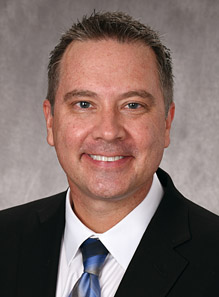
Michael Kruer, MD,
Phoenix Children's Epilepsy Program accepts referrals for children and adolescents with complex epilepsy, movement disorders, and treatment-resistant seizures. To refer a patient or request a consultation, call 602-933-KIDS (5437) or submit a referral online.
REFERENCE
Quiroz V, et al. Molecular and clinical spectrum of epilepsy-dyskinesia syndromes: a cross-sectional study of 609 patients. Brain. 2026;149(2):563–578. doi:10.1093/brain/awaf297. PubMed ID 40811633.
