

The diagnosis and treatment of pediatric brain and spinal cord tumors have undergone a profound transformation over the past decade. Historically, clinicians relied predominantly on histopathologic features and tumor morphology to diagnose these diseases. Advances in molecular and genomic profiling have since demonstrated that pediatric central nervous system (CNS) tumors comprise a biologically heterogeneous group of diseases with distinct molecular drivers, cellular origins and clinical trajectories. As a result, the field has shifted from morphology-based diagnosis toward an integrated approach combining histopathologic and molecular classification.
Molecular and genetic characterization has become integral to contemporary CNS tumor classification. It can refine diagnosis, inform prognosis and increasingly guide therapeutic decision-making. Identifying specific molecular alterations may also reveal opportunities for targeted therapies and determine potential eligibility for clinical trials.
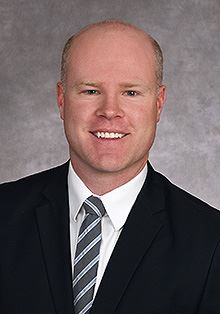
Ross Mangum, MD
“Precision medicine is about understanding the biology of each child's tumor," said Ross Mangum, MD, section chief of Pediatric Neuro-Oncology Program at Phoenix Children's. “Molecular profiling allows us to make more accurate diagnoses, better understand how tumors are likely to behave, identify opportunities for targeted therapies and connect patients with clinical trials that may not otherwise be available.”
What Precision Medicine Means in Pediatric Neuro-Oncology
Pediatric brain and spinal cord tumors represent a diverse group of diseases with substantial clinical and molecular variability. Some tumors may be effectively managed with surgery alone, while others require intensive multimodal therapy.
In pediatric neuro-oncology, precision medicine integrates multiple sources of information – including imaging, pathology, molecular profiling and patient-specific clinical characteristics – to create a comprehensive understanding of each tumor.
Many cancers develop because of molecular changes that disrupt normal cellular processes and allow tumor cells to grow and survive. Identifying these changes allows clinicians to move beyond a one-size-fits-all approach and develop treatment strategies based on the unique biology of an individual patient's disease.
“Two children may have tumors that look identical under the microscope but have completely different molecular characteristics driving their disease,” said Dr. Mangum. “Understanding those differences allows us to move away from treating patients based only on appearance and toward treatment strategies that are tailored to the biology of each individual tumor.”
The Diagnostic Workup: A Comprehensive, Standardized Approach
When imaging suggests a brain or spinal cord tumor, Phoenix Children’s rapidly connects patients with a multidisciplinary neuro-oncology team that includes pediatric neuro-oncology, neurosurgery, neuroradiology, neuropathology and additional specialists as needed, including radiation oncology, neurology, endocrinology, genetics and rehabilitation services.
When clinically appropriate, surgical resection or biopsy provides tissue for both traditional histopathologic evaluation and advanced molecular characterization.
Comprehensive molecular testing may include:
- Next-generation sequencing (NGS): Identifies mutations, gene fusions, copy number alterations and other genomic changes that may refine diagnosis or inform treatment options.
- DNA methylation profiling: Evaluates tumor-specific epigenetic patterns and compares results with established CNS tumor classifications, improving diagnostic accuracy for many difficult-to-classify tumors.
- Germline genetic testing: Evaluates inherited genetic variants that may indicate cancer predisposition syndromes and influence treatment recommendations and family counseling.
Together, these approaches provide a more complete understanding of each tumor's biology and allow clinicians to make informed treatment decisions.
From Molecular Data to Treatment Decisions
Molecular testing provides value far beyond confirming a diagnosis. In some cases, molecular information improves risk assessment and helps determine which patients may benefit from treatment intensification and which patients may be candidates for approaches designed to reduce long-term treatment-related toxicity.

Kazuhiro Sabet, MD,
"Not every tumor will have a single mutation that can be directly targeted with a medication," said Kazuhiro Sabet, MD, pediatric neuro-oncologist at Phoenix Children’s. “However, molecular information almost always provides important insights into tumor biology and helps us make better-informed decisions for our patients.”
The evolving understanding of diffuse midline glioma (DMG) highlights the importance of this approach. Historically, treatment options for DMG were extremely limited, with radiation therapy providing temporary disease control for many patients. Today, molecular characterization has accelerated research efforts and enabled clinical trials investigating novel therapeutic strategies.
“Some pediatric brain tumors remain among the most difficult cancers we treat,” said Dr. Sabet. “However, the pace of discovery over the past two decades has transformed our understanding of these diseases. Every discovery improves our ability to develop more effective therapies, and we're optimistic that today's research will become tomorrow's standard of care.”
Multidisciplinary Review Through a Molecular Tumor Board
The increasing complexity of molecular diagnostics requires expertise from multiple disciplines. At Phoenix Children's, patients benefit from multidisciplinary review through a molecular tumor board that brings together pediatric neuro-oncology, neurosurgery, neuropathology, neuroradiology, molecular pathology, medical genetics and other specialists as needed.
By integrating clinical history, imaging findings, pathology results and molecular data, the team can maximize what they are able to learn about an individual tumor in order to provide more targeted treatment and improve patient outcomes.
“Precision medicine is not simply about ordering genomic testing – it is about understanding what those results mean for an individual child,” said Dr. Sabet. “Our tumor board brings together experts from across disciplines to interpret complex information and determine how it should influence diagnosis, treatment planning and future options for each patient.”
Looking Beyond MRI: The Promise of Liquid Biopsy
Phoenix Children's is actively engaged in research evaluating liquid biopsy approaches for pediatric CNS tumors in collaboration with national and international partners.
Currently, monitoring for most pediatric brain tumors relies primarily on serial MRI examinations. However, imaging changes often become apparent only after the disease has reached a detectable size. Investigators are exploring whether liquid biopsy may provide earlier molecular evidence of residual disease, recurrence or treatment response.
“Liquid biopsy uses blood, cerebrospinal fluid or other biospecimens to detect tumor-derived material circulating in the body,” said Dr. Mangum. “The goal is to identify evidence of disease earlier and potentially use that information to guide treatment decisions before changes become visible on imaging or the child becomes symptomatic.”
Although liquid biopsy remains an emerging area of investigation, it represents a promising opportunity to transform how pediatric CNS tumors are monitored and treated in the future. Early efforts to implement liquid biopsy into clinical practice for patients have been very encouraging.
Why Phoenix Children's?
Phoenix Children's provides comprehensive pediatric neuro-oncology care that combines advanced diagnostics, multidisciplinary expertise and access to innovative clinical research.
Our team includes specialists in pediatric neuro-oncology, neurosurgery, radiation oncology, neuropathology, endocrinology, neurology, ophthalmology, rehabilitation, psychology, nutrition and supportive care. This collaborative approach ensures that each child receives individualized care addressing both the tumor and the unique needs of growing children and their families.
Through participation in the Children's Oncology Group and other national and international consortia, Phoenix Children's provides access to emerging therapies and clinical trials.
Through our collaboration with Mayo Clinic in Arizona, patients may also have access to advanced radiation technologies, including proton beam therapy, which can reduce radiation exposure to surrounding healthy tissue – an important consideration for children whose brains and bodies are still developing.
“Our responsibility is to provide the highest level of care possible while ensuring every child has access to the best available treatment options," said Dr. Mangum. “We take pride in the comprehensive care we provide here at Phoenix Children's. The well-being of our patients and their families is always our top priority. While every effort is made to facilitate a patient receiving care close to home, we will not hesitate to connect families with our colleagues at external institutions if it helps provide access to a specific treatment or trial that may improve outcomes for that child.”
Refer a Patient Today
Children with concerning neurologic symptoms, abnormal imaging findings, newly diagnosed CNS tumors or recurrent disease can benefit from timely evaluation by a multidisciplinary pediatric neuro-oncology team.
At Phoenix Children's, our team works closely with referring physicians to coordinate diagnostic evaluation, molecular testing and access to lifesaving treatment.
To refer a patient, call the Center for Cancer and Blood Disorders at (602) 933-0920 or submit a referral online.
About the Authors
Ross Mangum, MD
Section Chief, Pediatric Neuro-Oncology
Center for Cancer and Blood Disorders
Phoenix Children's
Dr. Kazuhiro Sabet, MD
Pediatric Neuro-Oncologist
Center for Cancer and Blood Disorders
Phoenix Children's
Drs. Mangum and Sabet specialize in pediatric neuro-oncology, with clinical and research interests focused on precision medicine approaches for children with central nervous system tumors, including molecular tumor characterization, targeted therapies, clinical trials and liquid biopsy approaches for disease monitoring.
